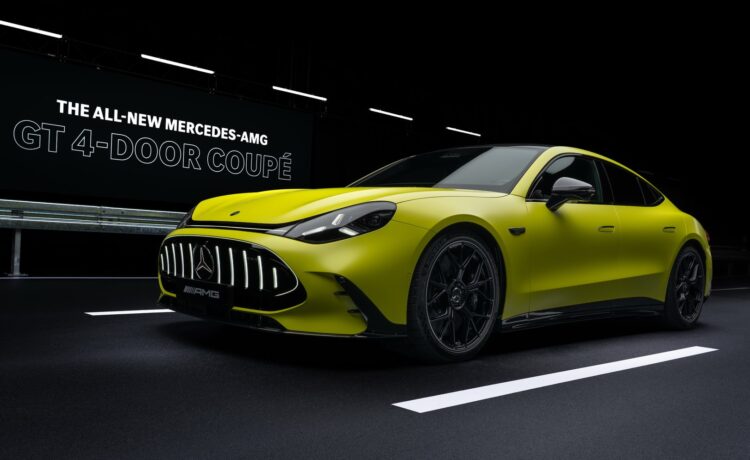
Mercedes-Benz spent decades building one of the cleanest design identities in the car industry. According to a recent editorial, those days feel distant now. The criticism does not focus only on the EQ lineup anymore, either. Newer combustion and electric models, including the CLA, GLC Electric, and AMG GT four-door EV, sit in the same discussion.
The article points toward a broader shift inside the company. During the 1970s, 1980s, 1990s, and even the early 2000s, controversial styling rarely spread across an entire Mercedes range. A few unusual cars existed here and there. The writer argues that today’s situation feels different because one design direction stretches through multiple models at once. Tesla’s rise and the industry-wide reaction to electric vehicles are blamed for part of the problem.
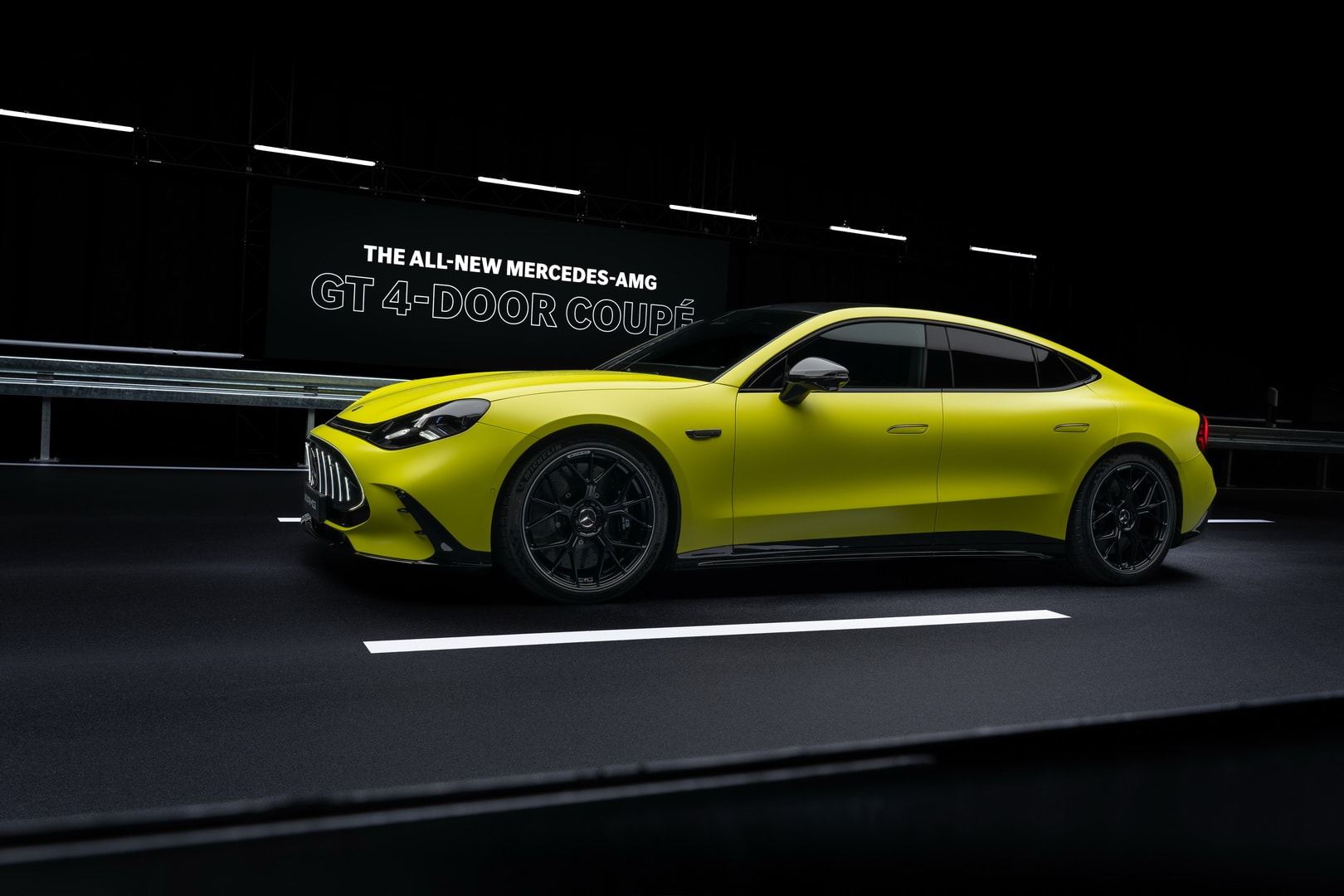
Older Mercedes products receive a different kind of attention in the piece. The first-generation CLS enters the conversation as an example of a risky design done well. According to the editorial, Mercedes did not stretch an existing coupe by adding two doors and a longer wheelbase. Engineers and designers treated the original AMG GT four-door coupe similarly, creating a separate car instead of modifying another model. Short point here. The writer believes those older projects carried more identity.
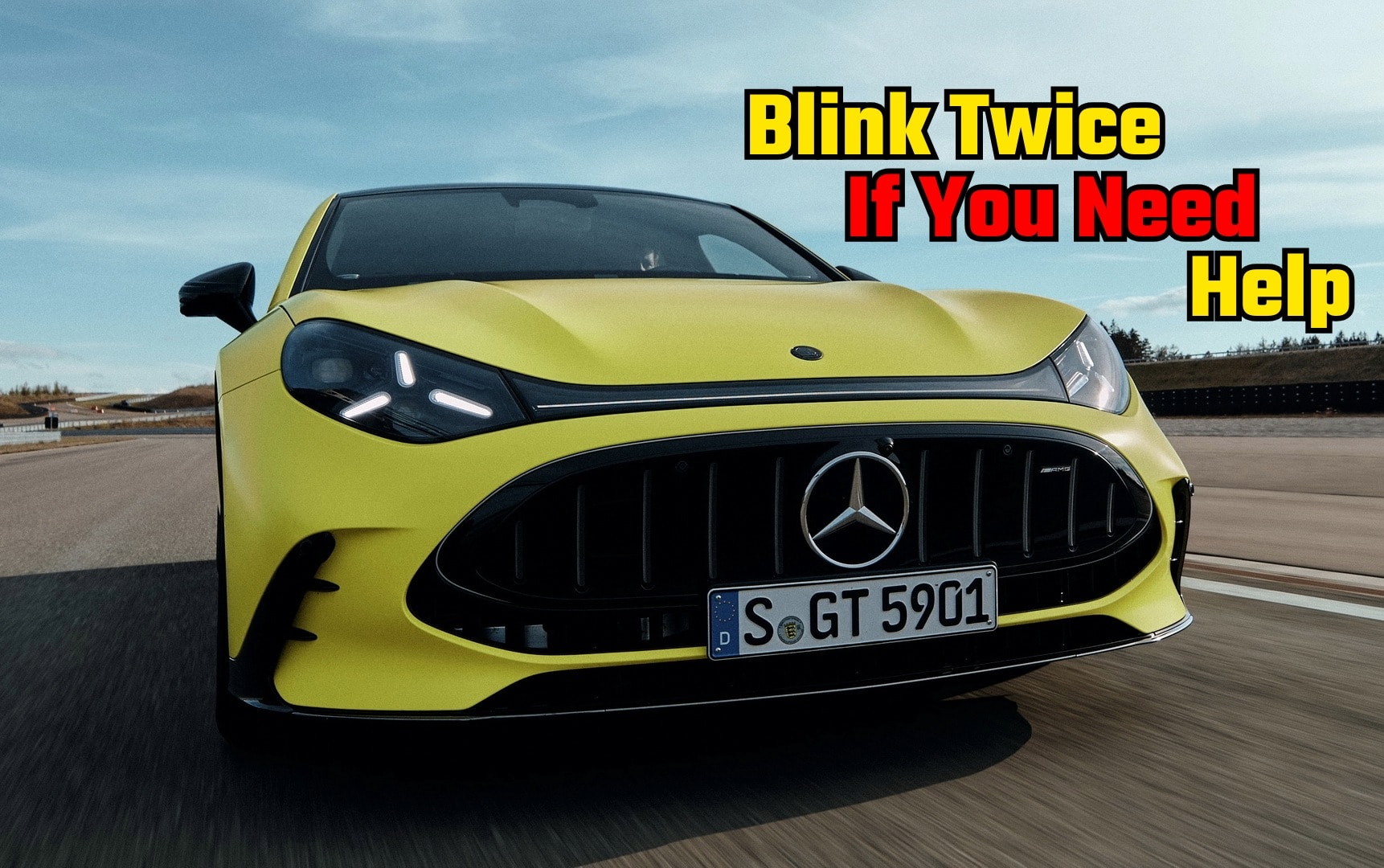
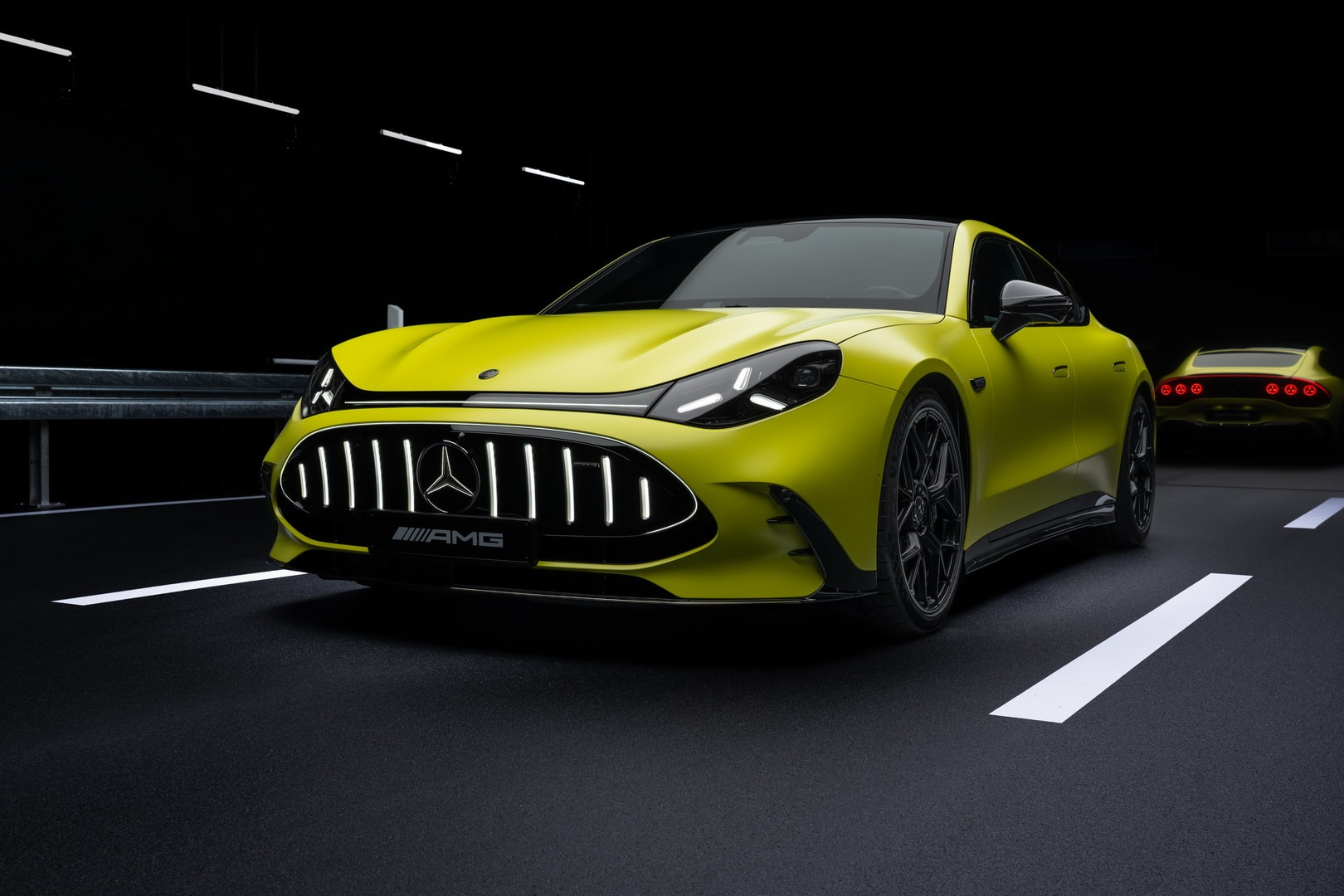
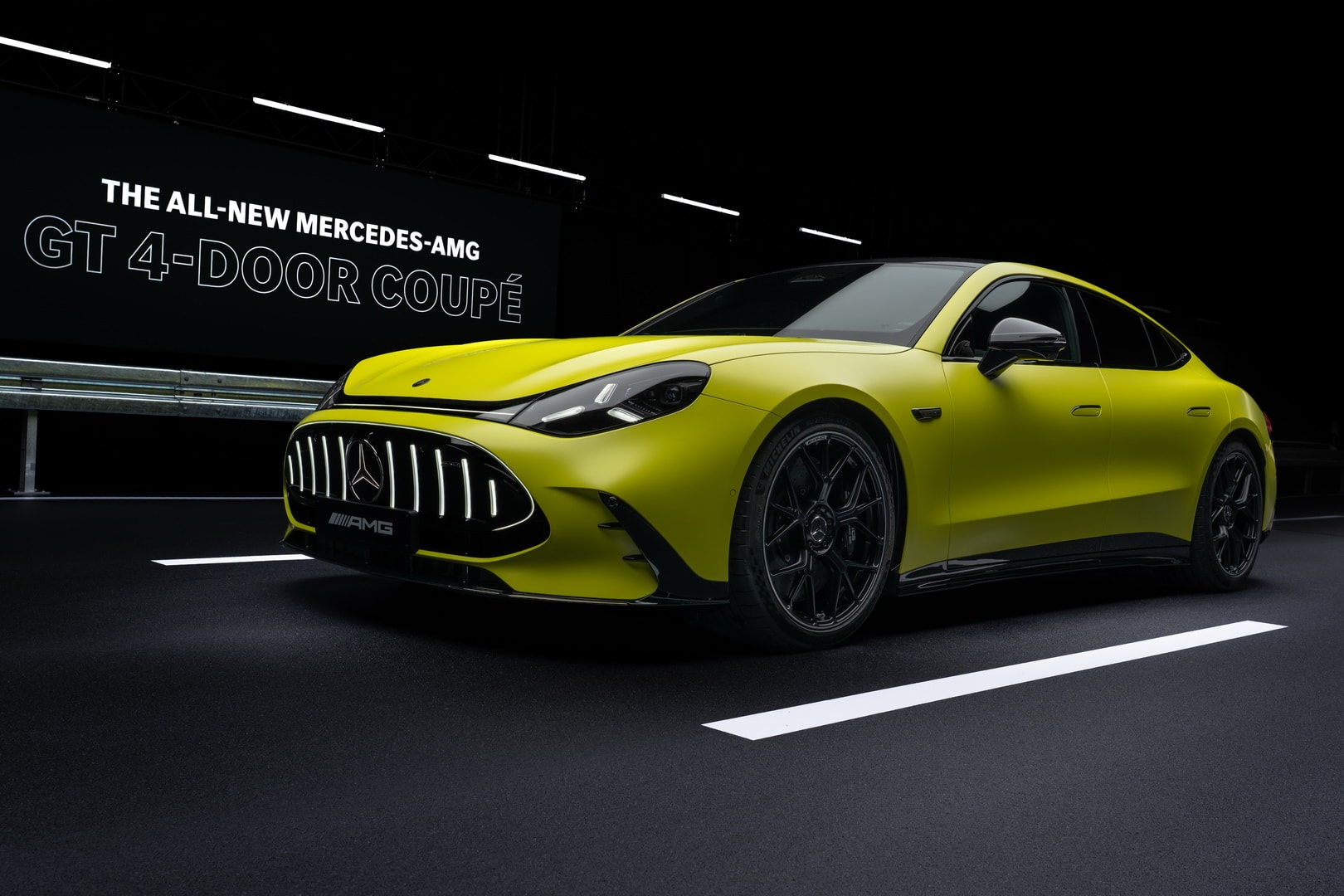
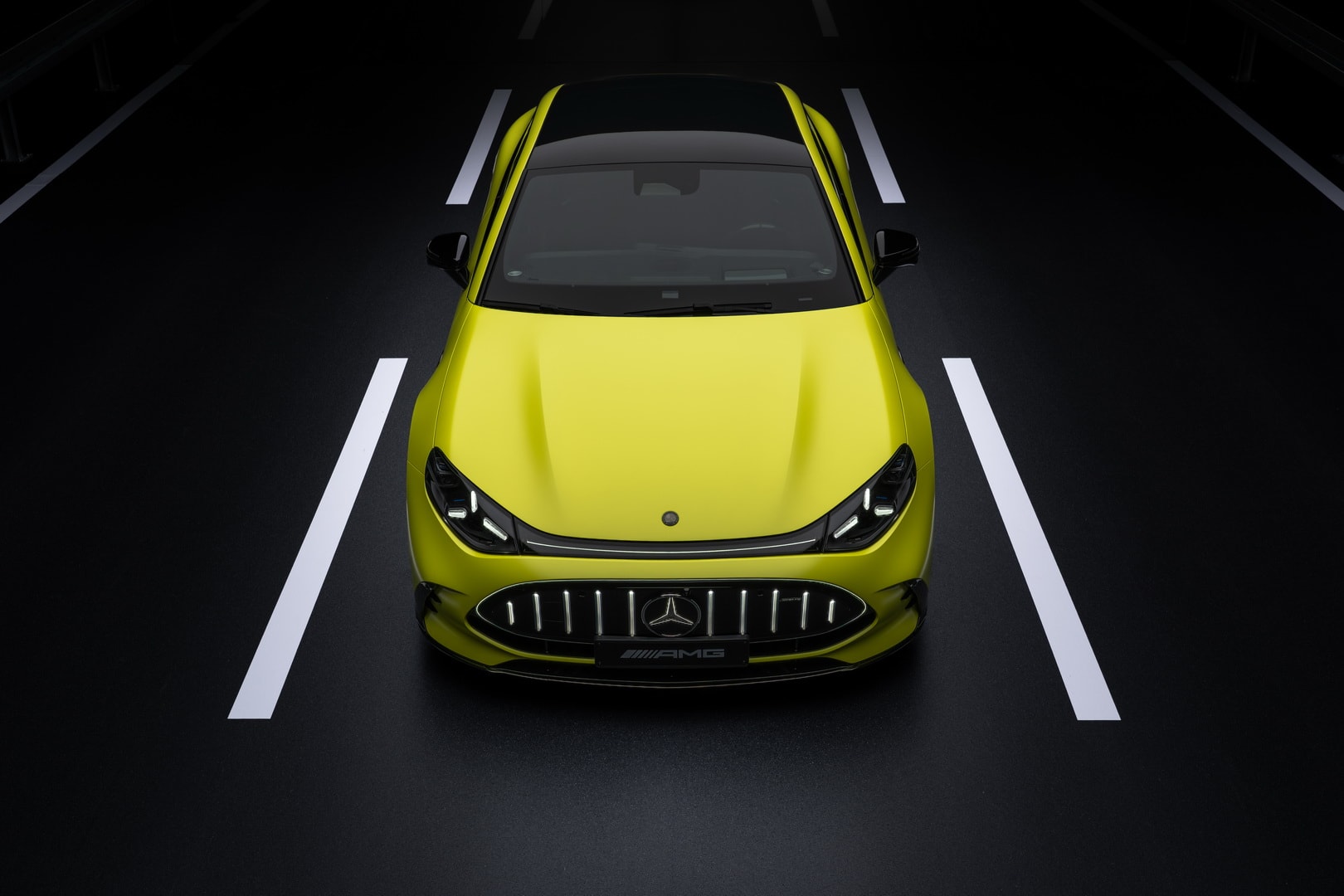
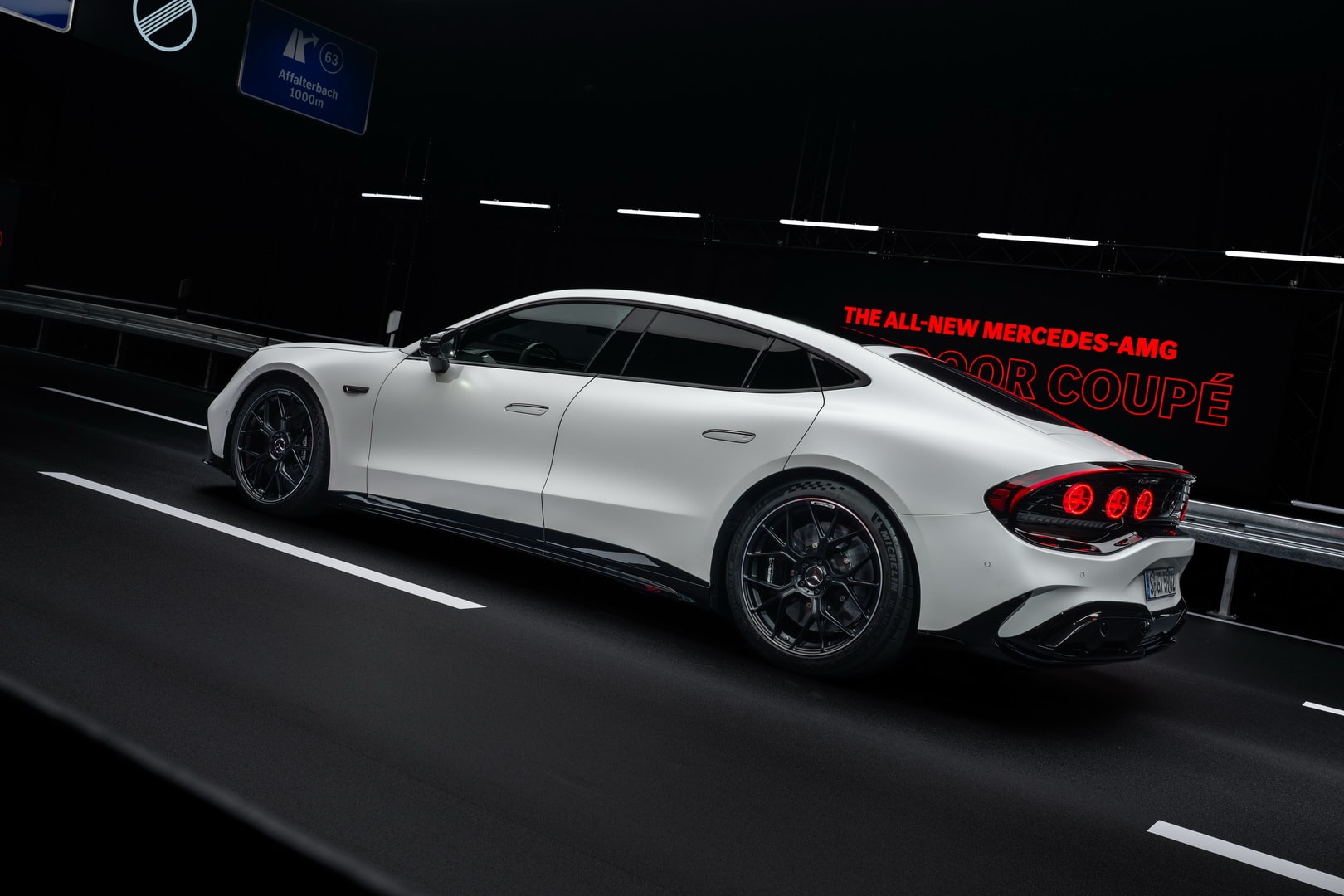
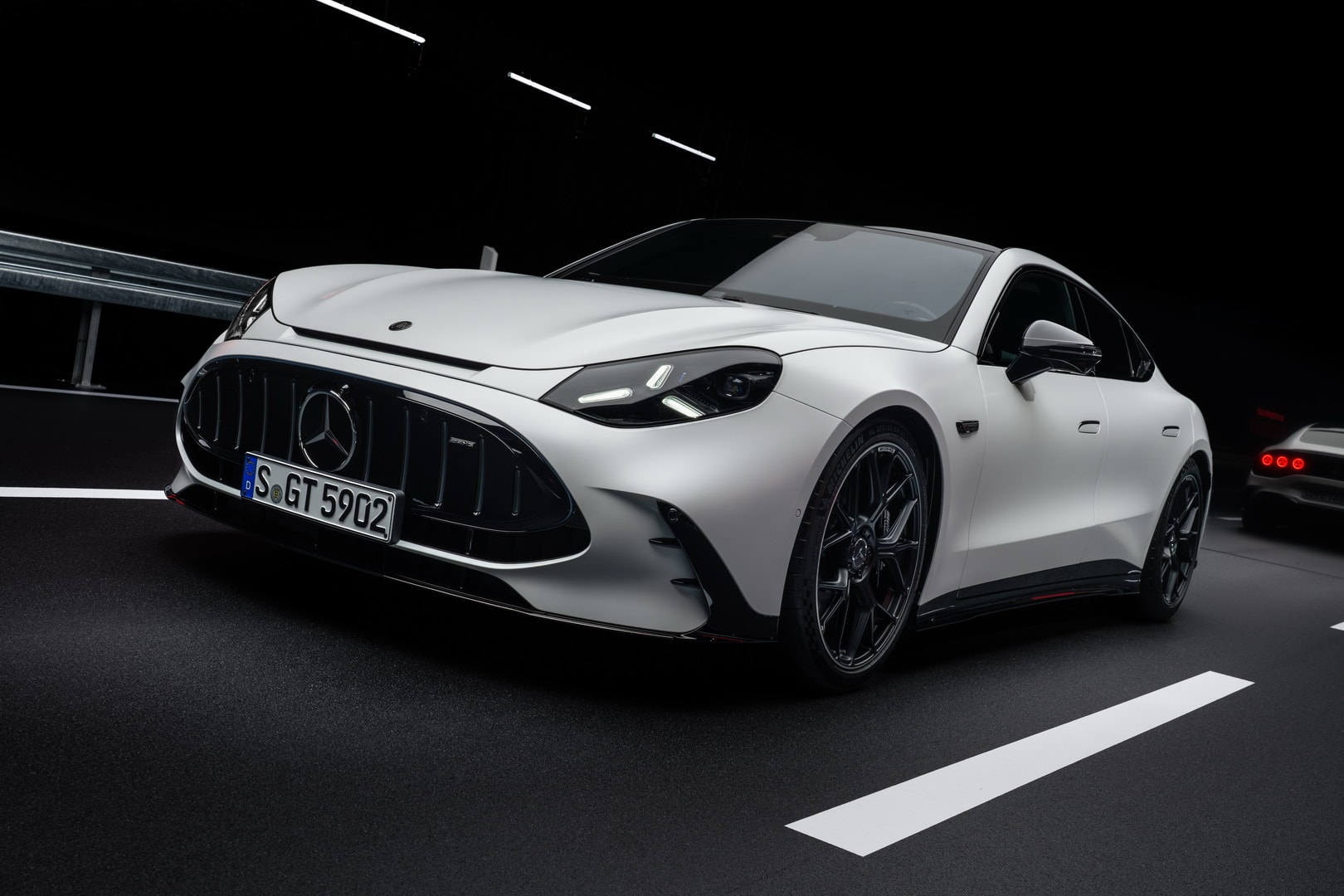
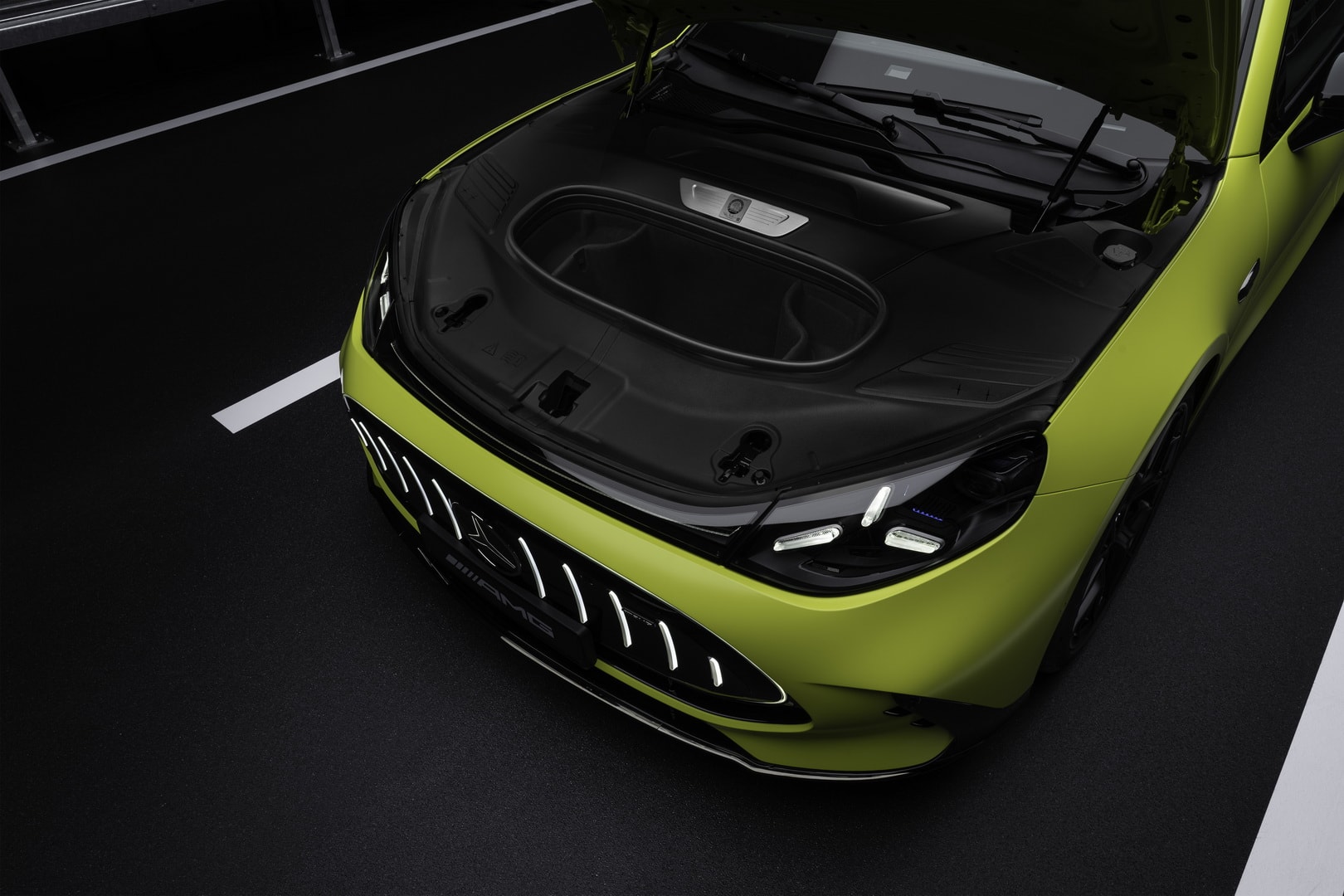
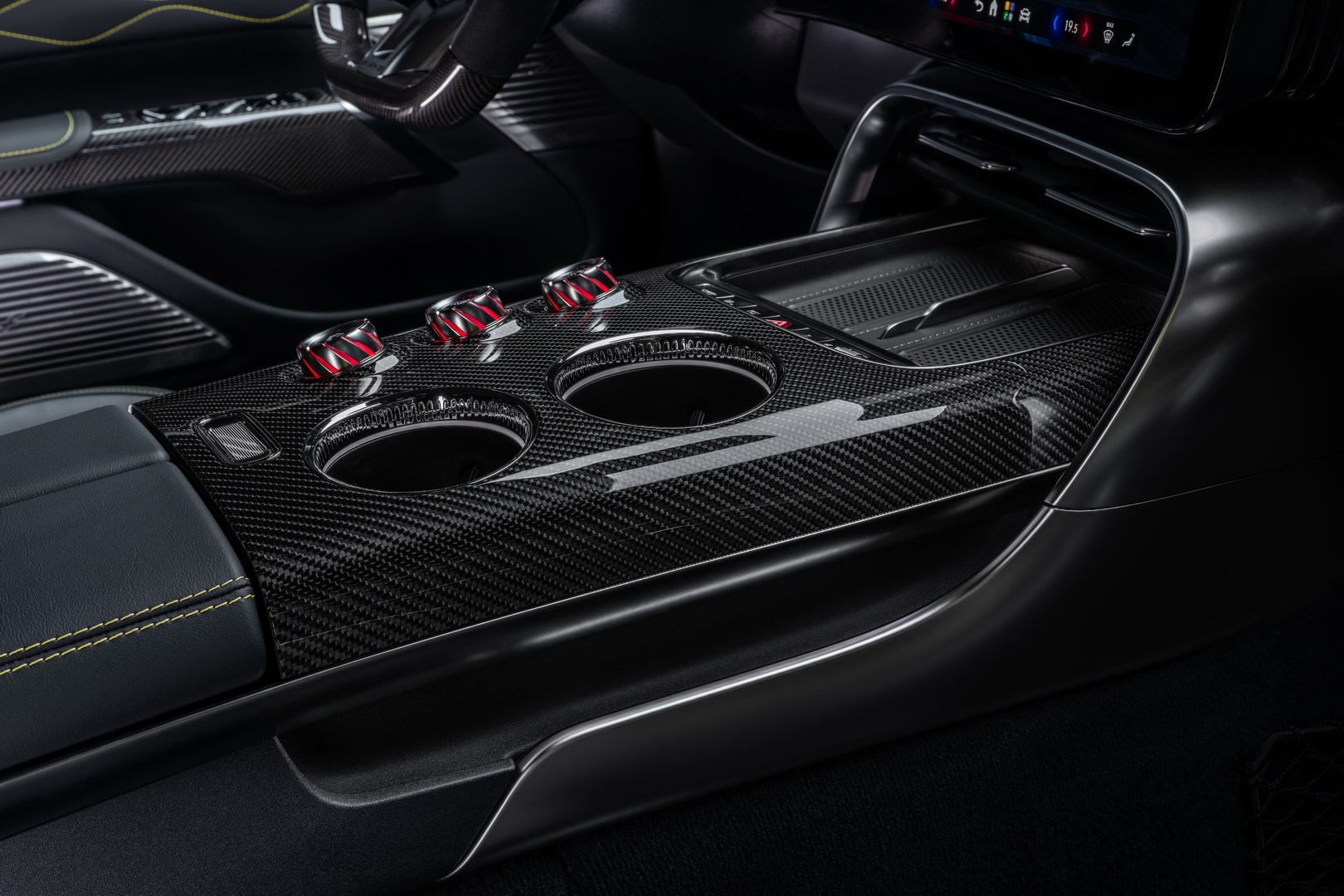
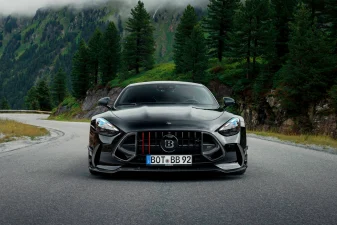
Then the new Mercedes-AMG GT 4-door Coupe EV arrives. The criticism becomes sharper there. Its front styling gets compared with the latest CLA because both share the same visual language. The article claims Mercedes publicly stated journalists and industry experts responded positively to the car. The author openly doubts those reactions exist in large numbers.
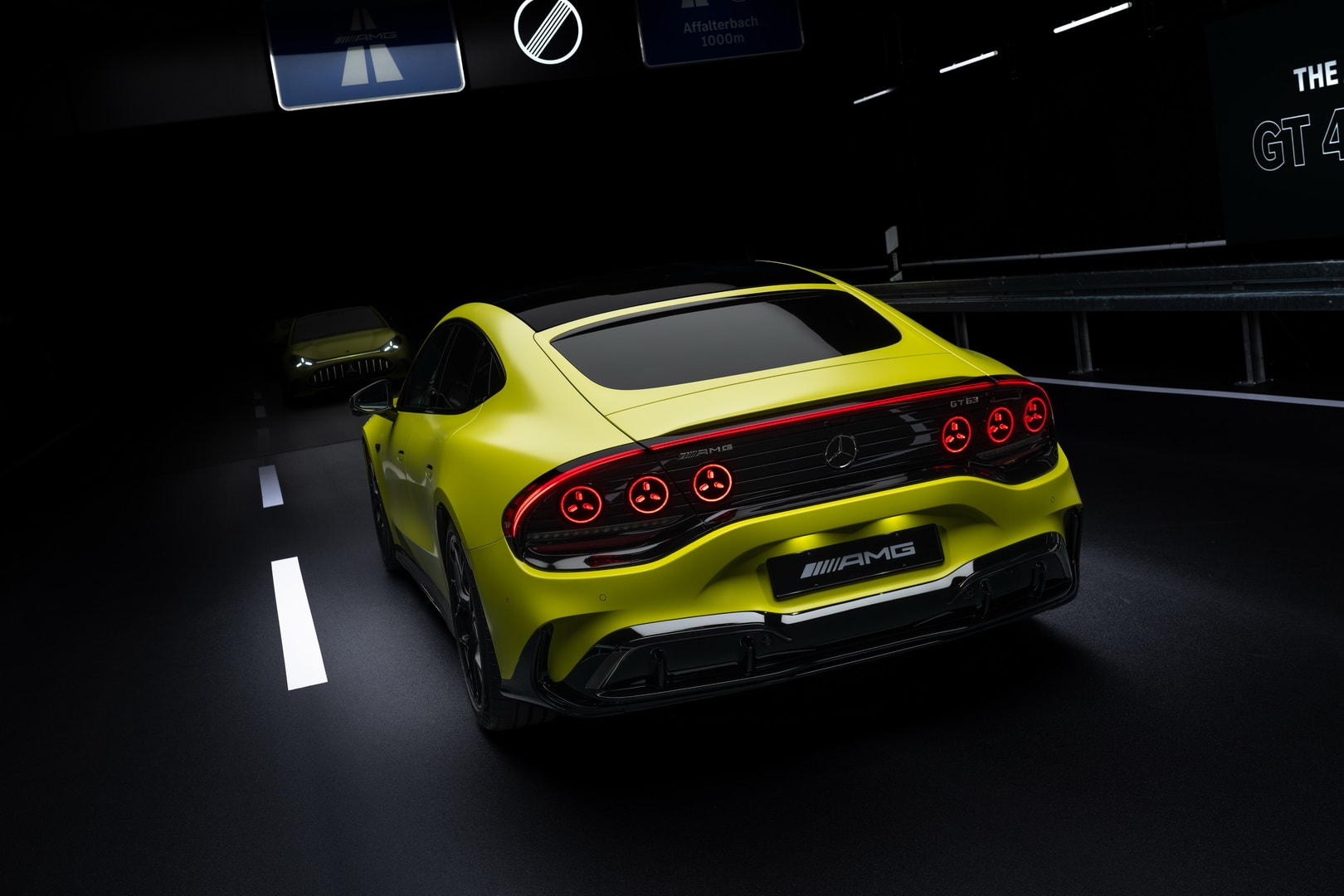
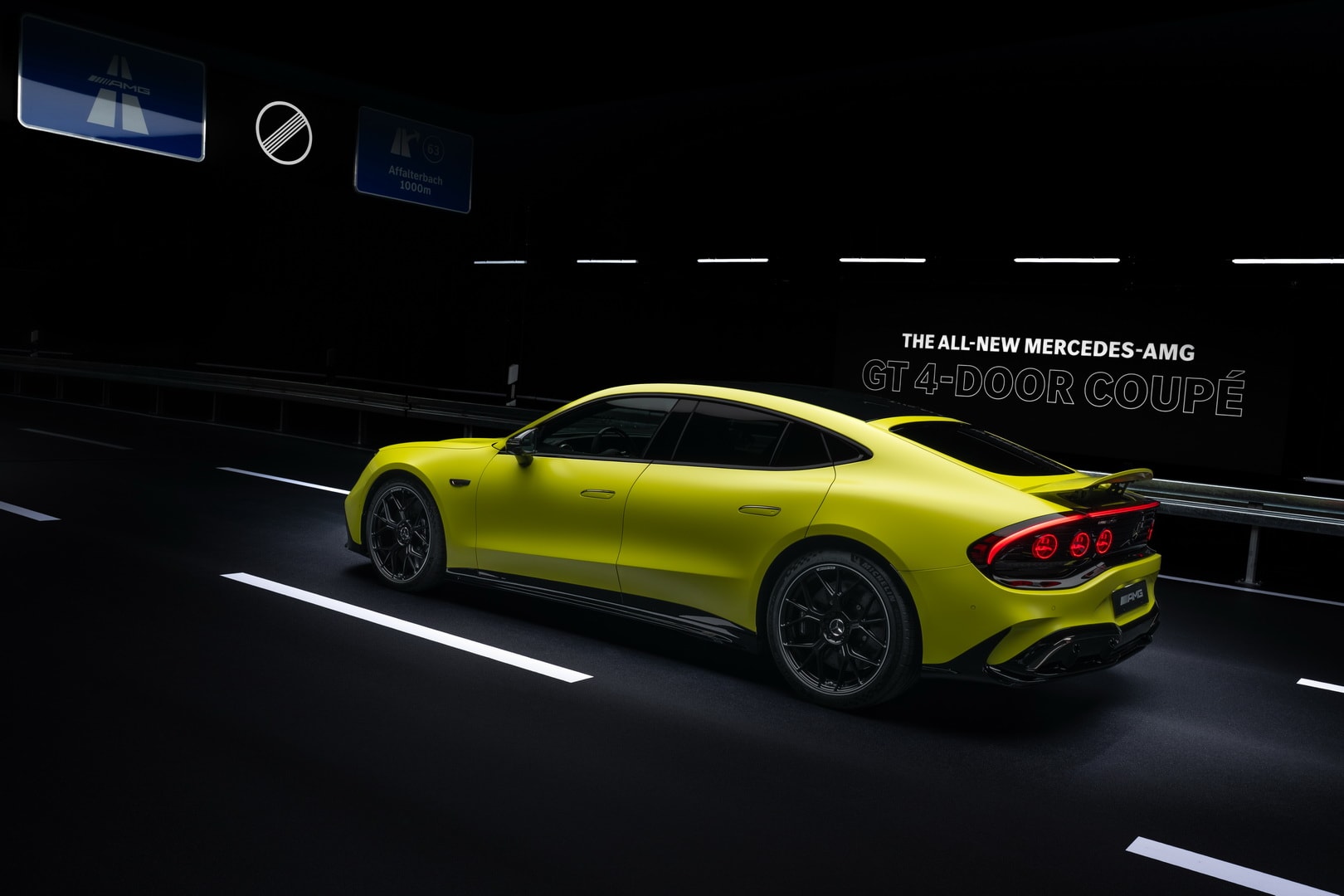
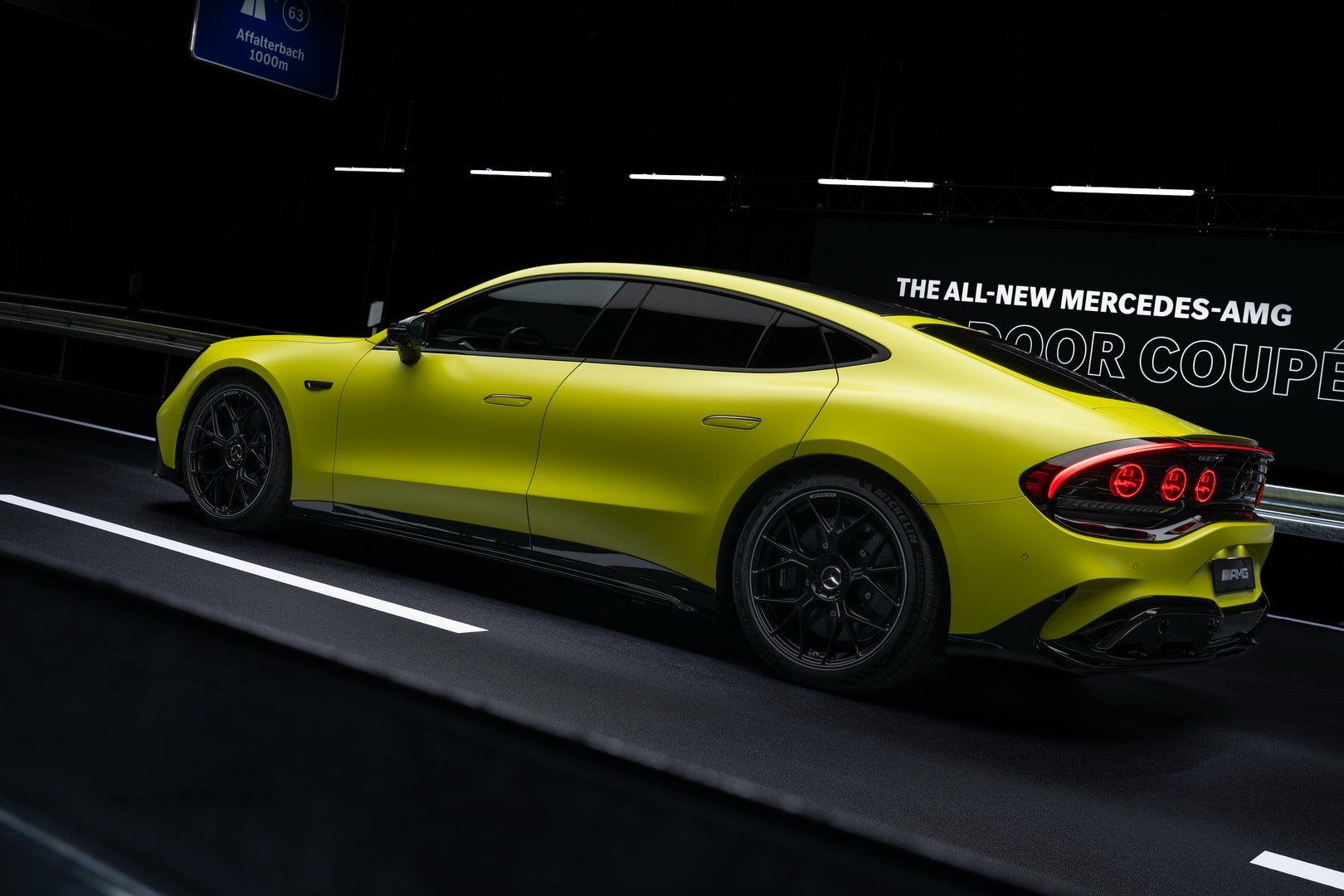
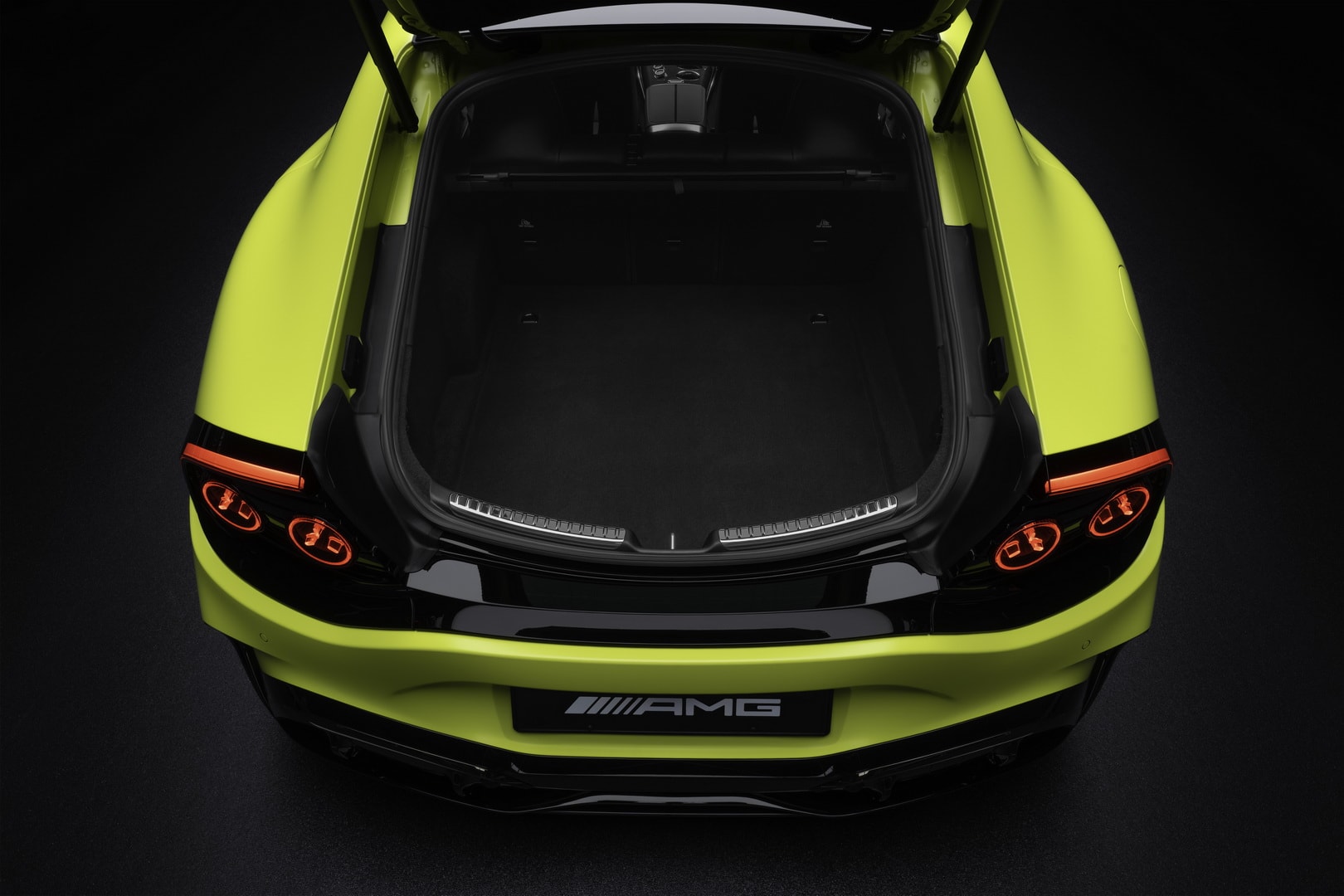
Not every observation turns fully negative. Curiously, the side profile receives praise for looking dynamic and clean. The rear section also avoids direct criticism at first glance. Still, the upper half of the tail gets described as overloaded visually due to the taillights, light bar, and the large panel surrounding those elements. The lower portion appears simpler by comparison, which creates an awkward balance according to the editorial.
And then the tone changes again. The article argues Mercedes needs a complete reset, extending beyond the design department itself. Upcoming legacy models, including a future S-Class, should abandon the current styling direction and reconnect with previous-generation Mercedes themes.
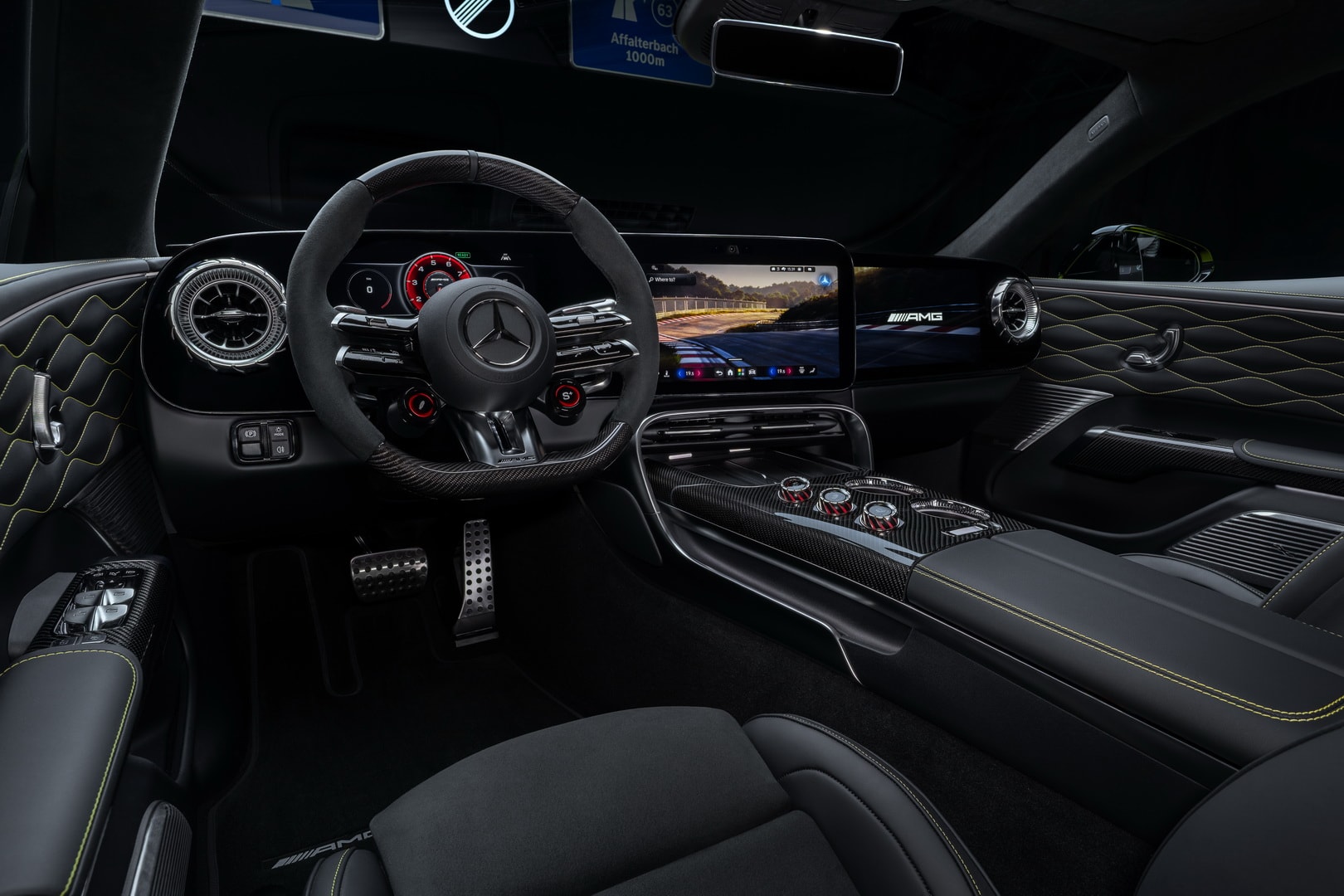
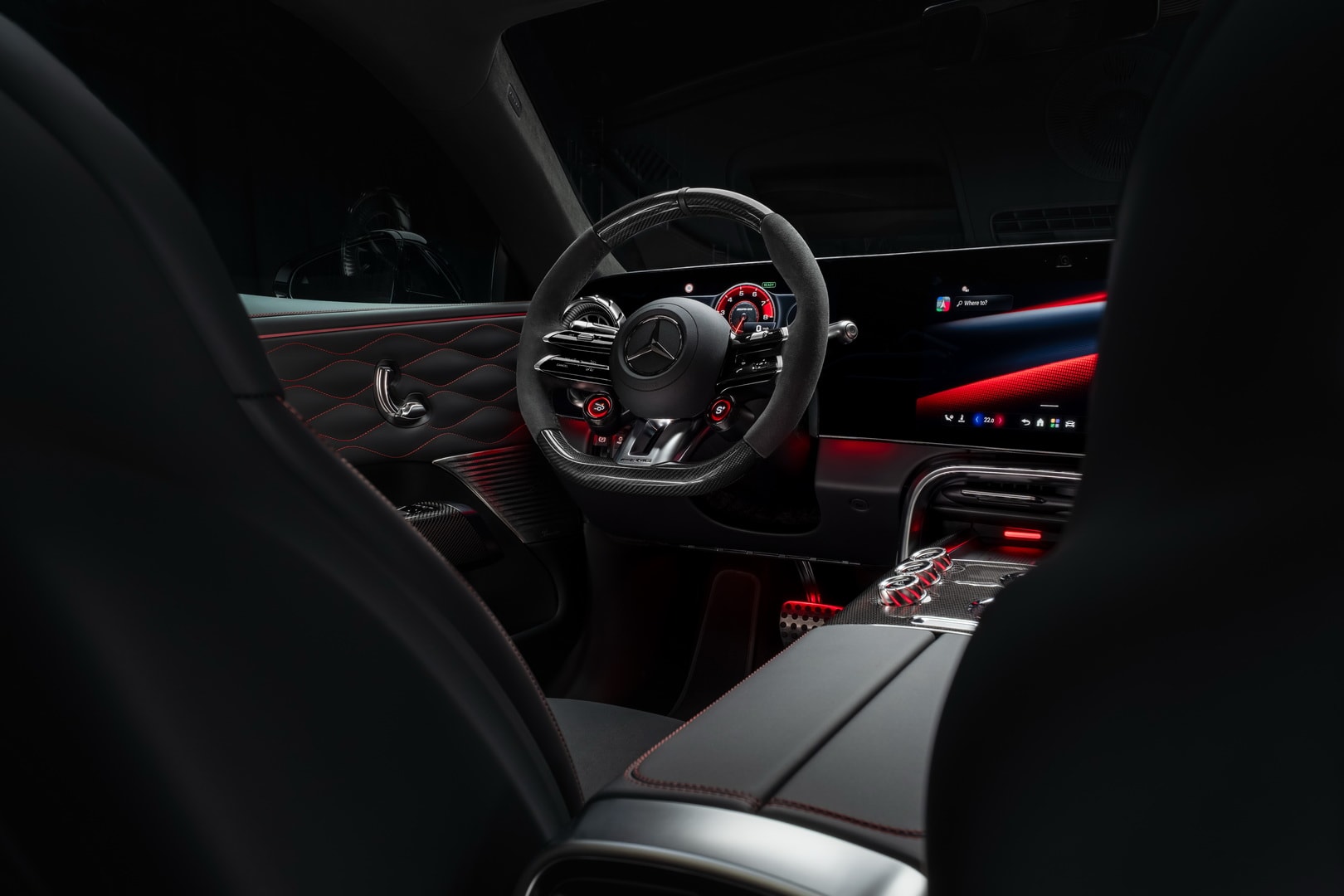
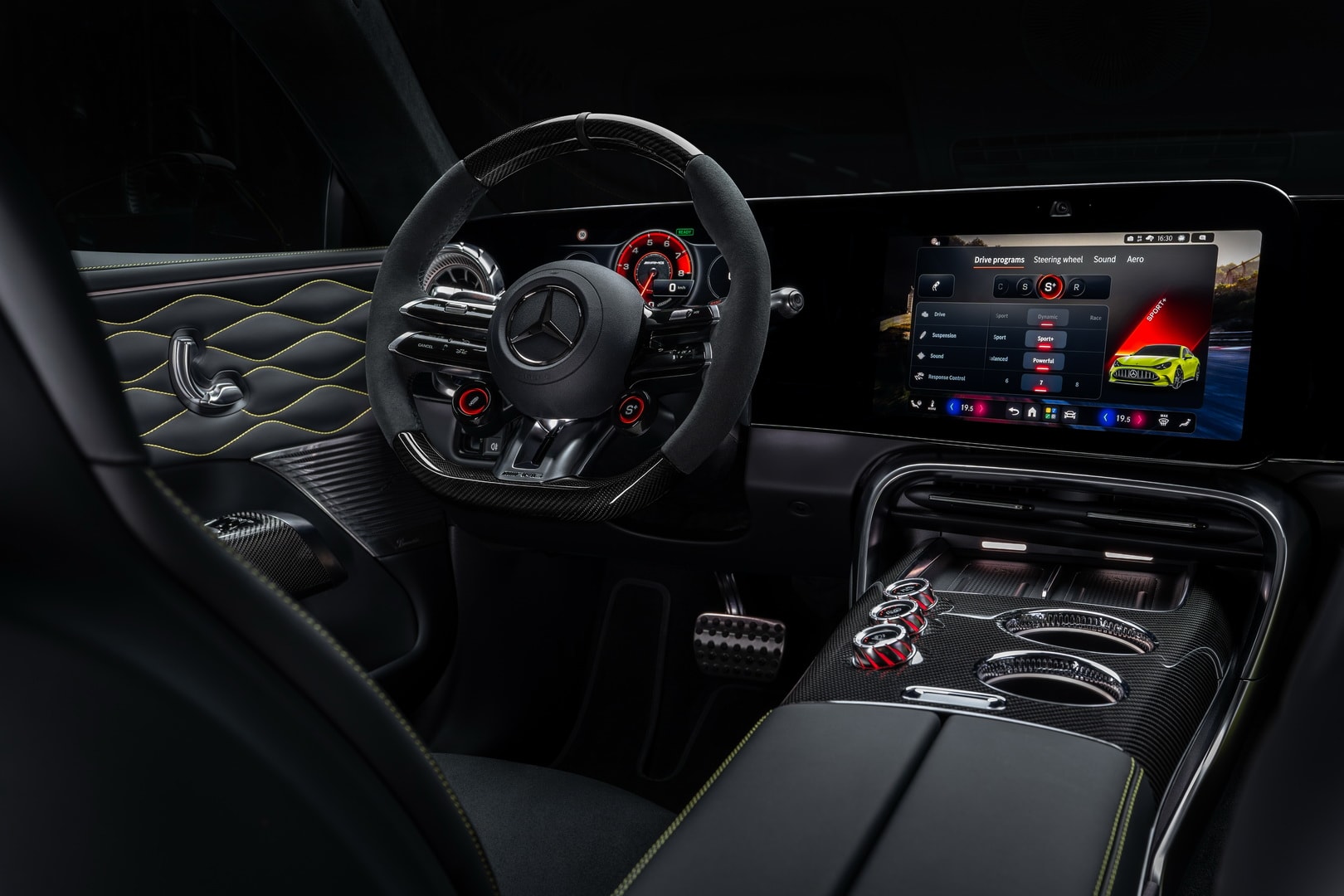
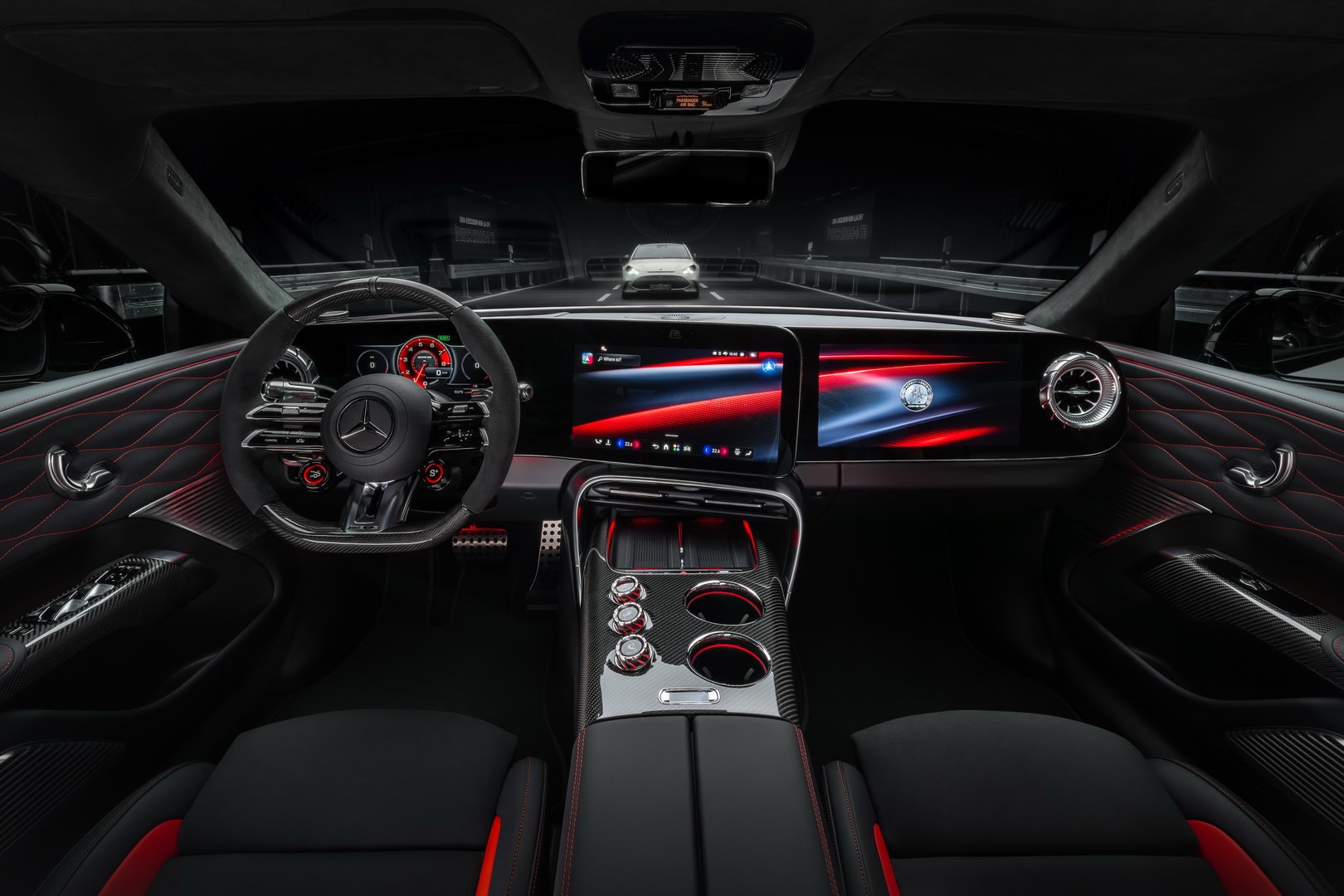
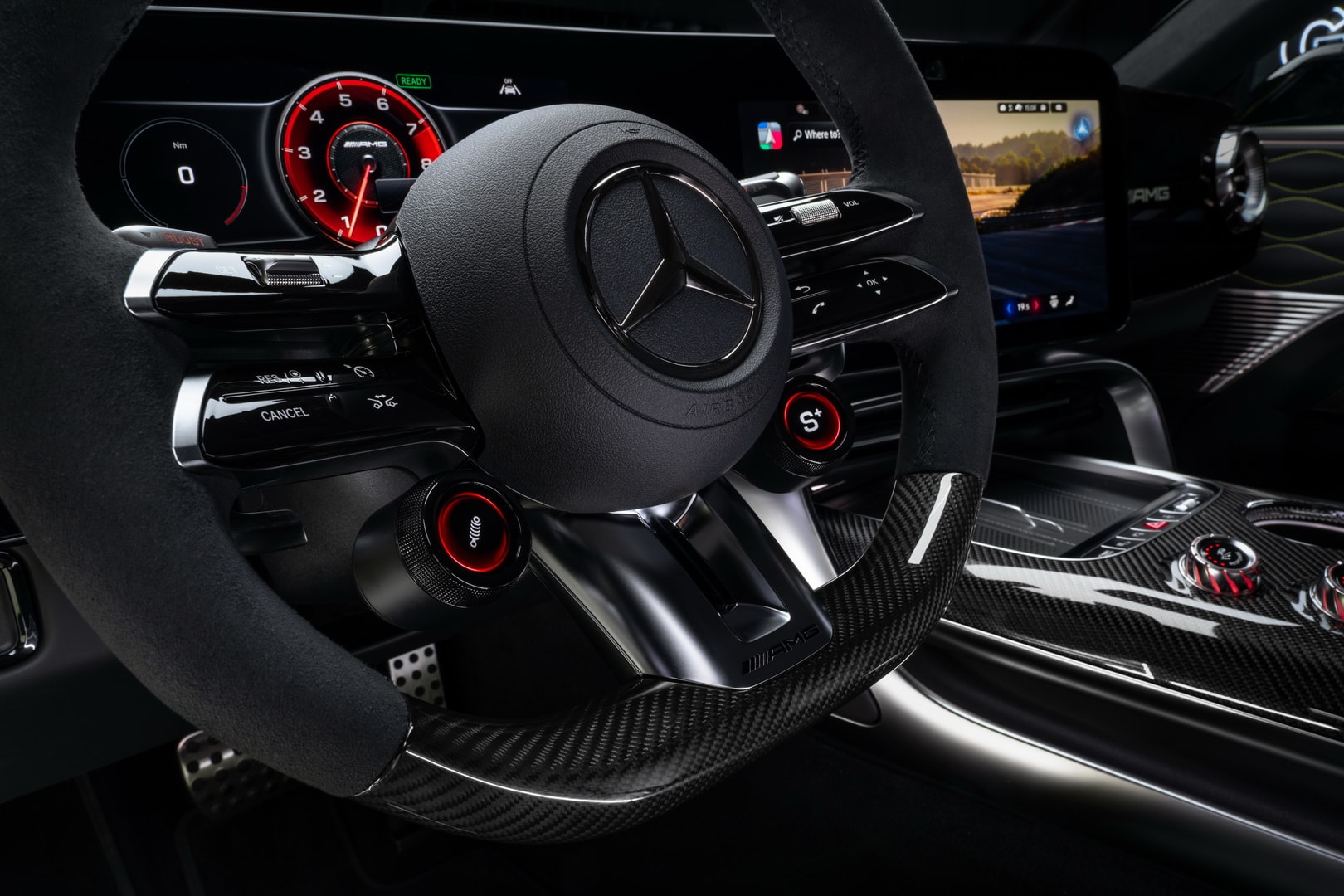
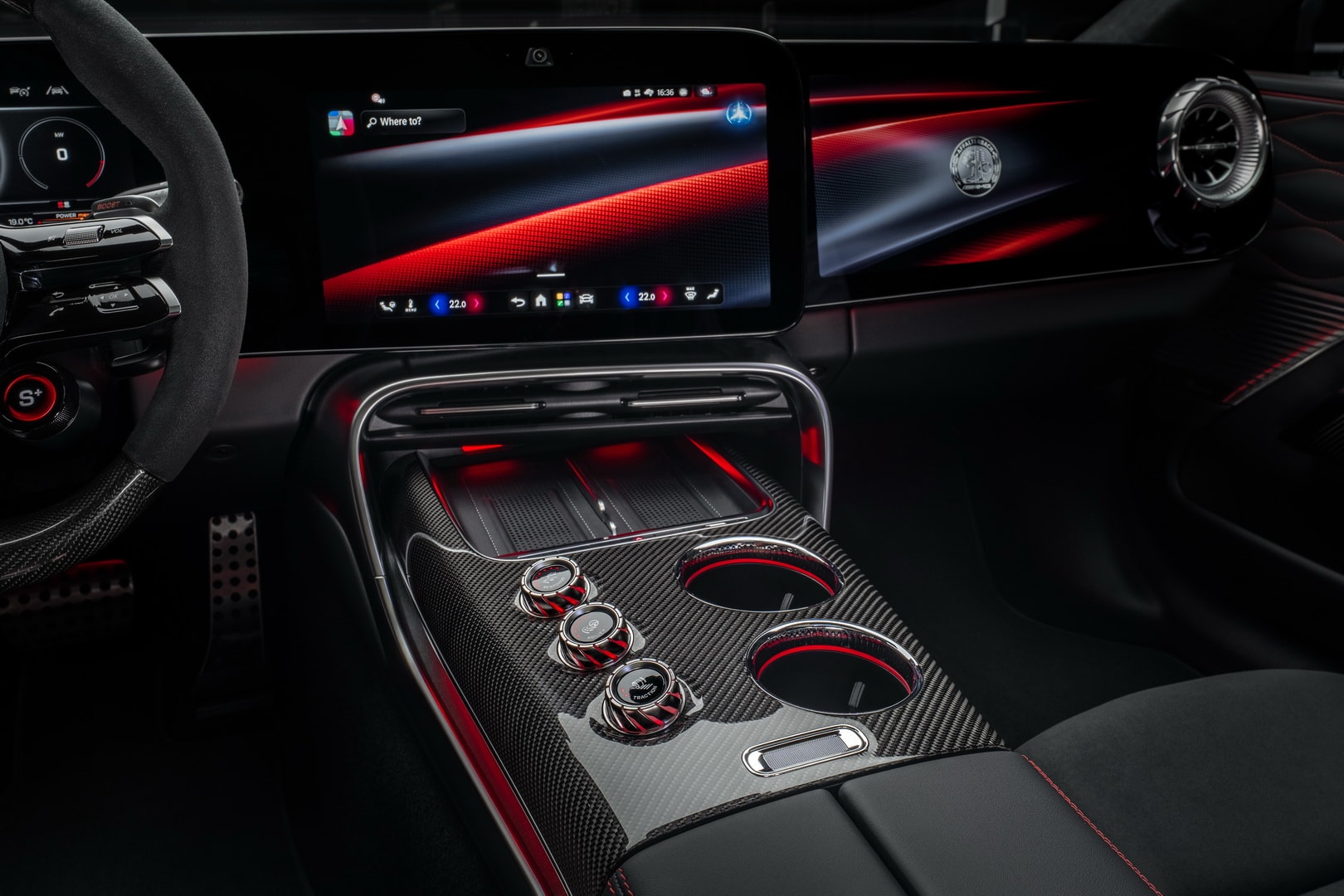
Near the end, the editorial widens the argument beyond one manufacturer. Cars are described less like traditional automobiles and more like consumer technology products. Vehicle launches now resemble product presentations, while interiors turn into large screens surrounding four seats and a steering wheel. The writer sees wasted talent there, especially from a company once known for restraint and long-term consistency.
2026 Mercedes-AMG GT 4-Door Coupe – Photo Gallery